
The National Breath of Life Apprenticeship Program was launched in 2022 to empower Indigenous communities to preserve and strengthen their unique language efforts. Through mentorship from their community language leaders and National Breath of Life (BoL) staff, apprentices began the process of building a digital language archive, creating usable language data, and learning about the ILDA dictionary and how it can be used to support community language programs.

Community language leaders select the apprentices based on prior engagement and commitment to language programming. They often have little to no training in linguistics or archival research but show a strong commitment to preserving and using their heritage languages. National BoL provides support to community mentors to train the next generation of language leaders, researchers, and teachers within their community. We currently work with 13 apprentices from 10 participant communities across the United States.
The Discovery Center for Evaluation, Research, and Professional Learning at Miami University has contracted with National BoL to assess and evaluate the apprenticeship program. This team of researchers meets with and surveys participant communities throughout the program to understand their specific goals, the progression of those goals, and any obstacles they may be facing. They use this information to determine the impact of the apprenticeship, as well as evaluate any new or remaining needs to support the work necessary for language revitalization.
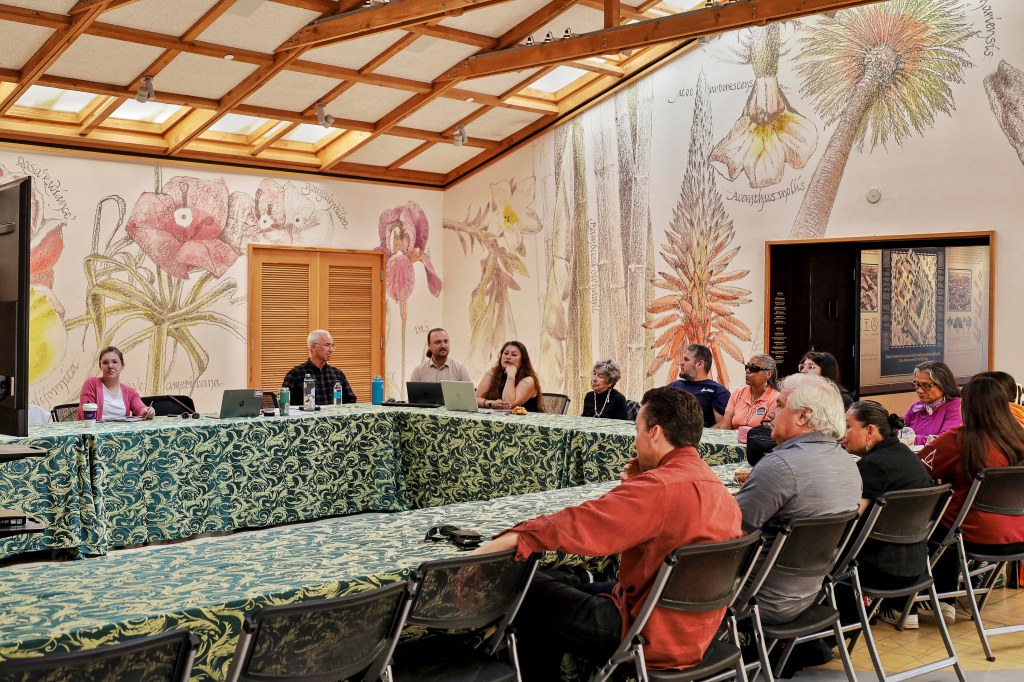
This blog post is intended to summarize some of their findings to provide insight into the program. In the most recent evaluation (2023), apprentices reported a significant increase in (1) their ability to identify archival materials relevant to language revitalization, (2) their understanding of the ILDA software, and (3) additional technical skills to manage data and integrate their work into community programming.
1. Identifying Archival Materials Relevant to Language Revitalization
The first step in archives-based language revitalization is locating archival materials, analyzing them, and evaluating their value within a revitalization context. After participating in the National BoL apprenticeship program, most apprentices reported an increased understanding of how digital archival collections are physically and digitally managed, meaning they can more quickly and easily locate specific materials. These skills have allowed apprentices to find and digitize previously inaccessible language documents, prioritize documents for transcription, and begin tagging and processing language information making content more accessible for language teachers and learners.
Since the start of the program, one group has applied nearly 9000 metadata tags to its archival entries. Once information is tagged, community mentors can analyze it to create distinct word forms. This group has created over 2000 distinct word forms and uploaded 1000 of those to its ILDA dictionary so far!
2. Understanding the ILDA Software
The Indigenous Language Digital Archive (ILDA) is a software suite created and managed by the Miami Tribe of Oklahoma through the Myaamia Center, the institutional home of National BoL. The ILDA suite provides various tools for communities to record, store, and share language information from archival documents. The majority of apprentices reported an increased understanding of how ILDA works and its use for language revitalization efforts.
An important feature of ILDA is its dictionary app, which allows language learners to access analyzed language data from the archive side of ILDA. During the reporting period, one group was able to add nearly 2,500 entries to their online dictionary. Apprentices have been able to migrate existing print dictionaries to their online database and continue designing community procedures for managing their database. The program also provides communities with dedicated time and resources to manage databases, upload archival documents to share language data with community mentors for analysis, and increase efficiency.
3. Managing Data and Integrating Language into Community Programming
A range of both linguistic and technological skills are developed during the apprenticeship program to manage and analyze collected data. The apprentices reported an increased understanding of the linguistic work being done, which in turn, helps them better understand what to look for in the archival materials. They also reported increased confidence in their ability to create and manage large spreadsheets and the overall process of getting information from an archival source into the database for analysis by their community mentors.
A unique aspect of the apprenticeship program is the ability to receive training for specific needs as they arise, such as a community that received special video transcription training after finding previously unknown recordings.
Challenges:
While apprentices reported learning a lot of important information and skills throughout the apprenticeship, each community faces unique challenges. Common concerns among apprentices are the ability to train additional community members to use ILDA in the future and becoming familiar enough with the technology to use it for community language learning efforts.
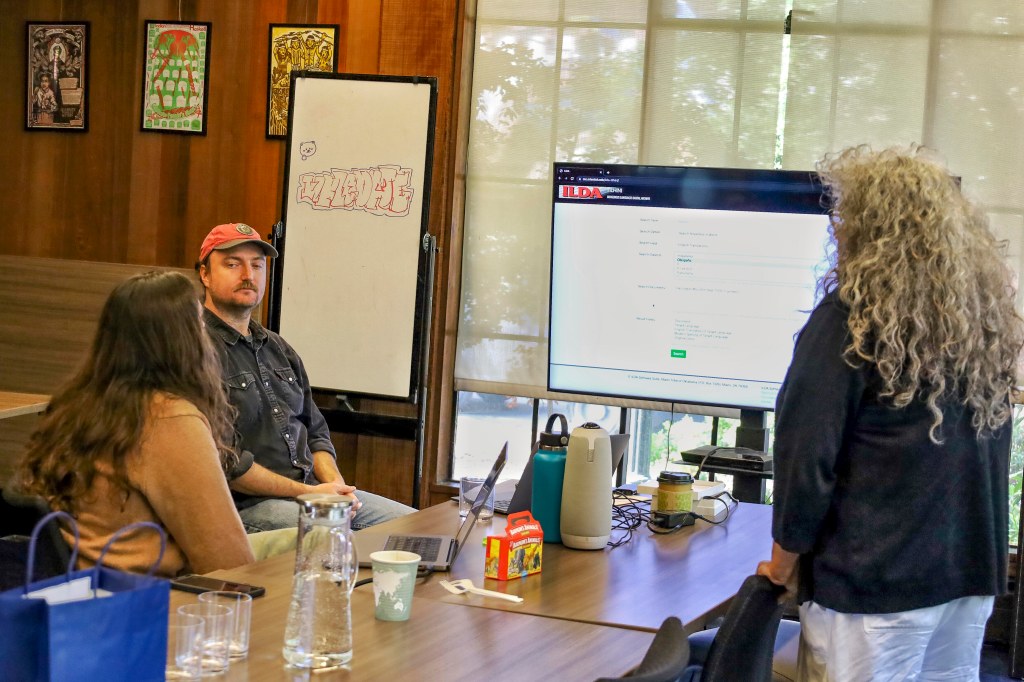
National BoL staff work individually with each group to support them as they work through these challenges. Some of the ways we have seen communities work through challenges include; using apprenticeship work to support individual academic endeavors, splitting one “full-time” apprenticeship into two “part-time” apprenticeships to support individual career development, and using program resources to bring community members together to strategize the next steps of their revitalization efforts.
Overall, 80% of apprentices surveyed reported satisfaction with their progress so far, with only 20% progressing slower than anticipated. As we move into the next phase of the apprenticeship program, we’re excited to continue working with these groups to progress their language revitalization efforts!
 National Breath of Life Blog